
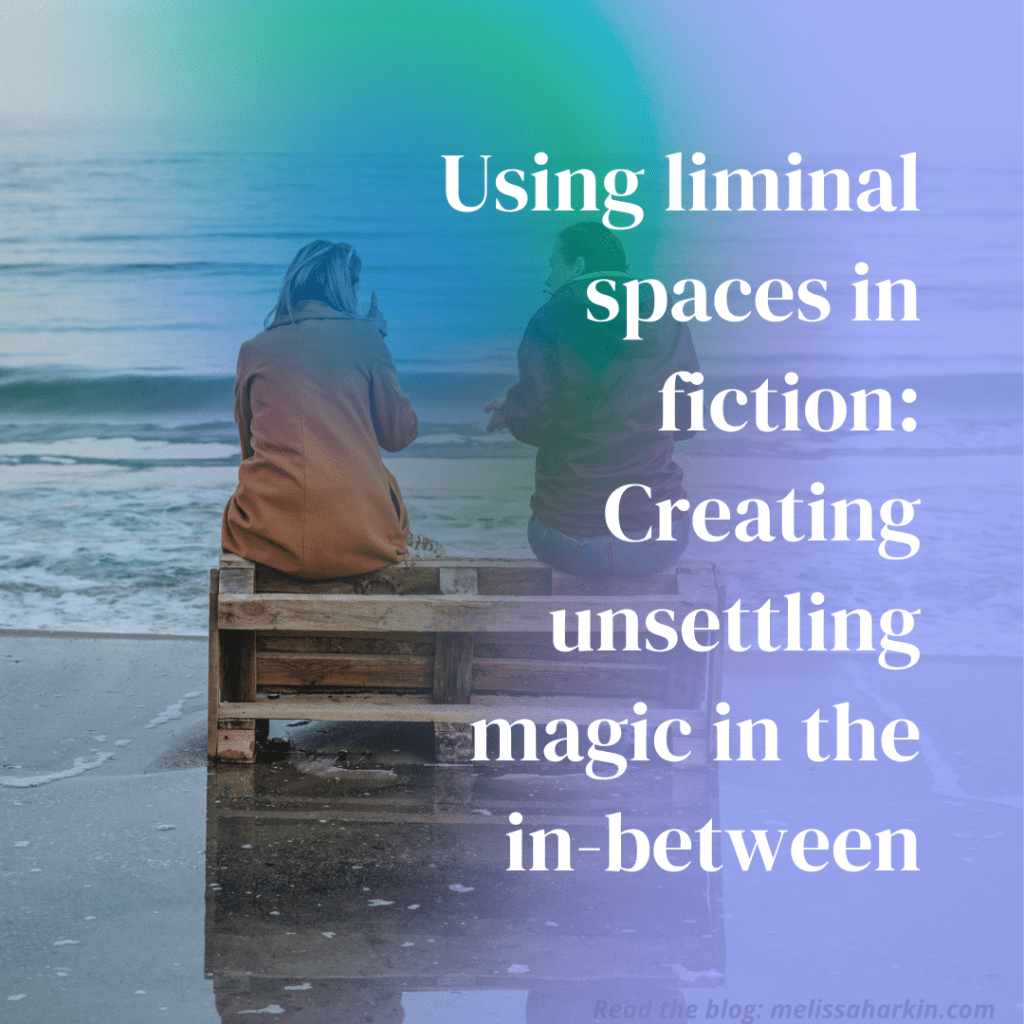
Some of the most haunting, memorable moments in fiction do not happen during battles, big reveals, or even climaxes. They happen in the quiet spaces between.
Welcome to the world of liminal space.
What is a liminal space?
A liminal space is a transitional or in-between place. It can be a literal setting—a hallway, a deserted airport at midnight, a motel between destinations—or it can be emotional, like the strange calm after a loss or the moment before a life-changing decision.
These spaces feel strange because they do not belong fully to one thing or another. They are places where the rules bend, where time stretches, and where characters can pause, reflect, or unravel.
In fiction, liminal spaces are powerful tools. They are often eerie or surreal, but also fertile ground for rebirth, revelation, or emotional shift.
How to use liminal space in your writing
Liminal space is not just about eerie vibes. It’s about atmosphere and emotional resonance. Here are a few ways to use it:
1. Physical setting
Choose settings that are naturally transitional or dislocated:
- A gas station in the middle of nowhere
- An empty school during summer break
- A hospital hallway in the early morning
These spaces already carry emotional weight. Readers feel the discomfort before you even add dialogue.
2. Emotional or narrative pauses
Liminal space can also exist in the pacing of your story. After a major plot point, slow the tempo. Let your character sit in uncertainty. This creates contrast and makes the next beat more impactful.
Use it to explore:
- Grief or shock before acceptance
- The quiet before a revelation
- A moment of identity shift or internal reckoning
3. Tone and surreal elements
You can lean into the dreamlike nature of liminal spaces. Stretch time. Muffle sound. Distort reality just slightly.
Liminal writing often plays with ambiguity. These are the scenes where your reader might not know exactly what is happening, but they feel that something is shifting. Something is about to happen.
Example: a liminal scene in Lost in Translation
A perfect film example of a liminal space is from Lost in Translation (2003). Bob and Charlotte, two lonely Americans in Tokyo, wander through a city that does not feel like home.
The scene where they sit quietly together in a taxi, neon lights flickering across their faces, says everything without a single word. They are suspended in a moment that is neither the beginning nor the end of anything. It is tender, alien, and deeply human.
That in-between stillness is what makes the film linger long after the credits roll.
Final thoughts
Liminal spaces are the emotional and narrative pause buttons in your story. Use them with purpose, and you can make your fiction feel more atmospheric, more psychological, and more honest. They invite your characters to confront themselves, and your readers to lean in a little closer.
When used well, these strange little moments are what readers remember.




 Melissa Harkin
Leave a comment